Engineering / Tooling

Engineering/Tooling

The 20/20 team of plastics and molding experts work with our customers upfront to create products that are destined to be successful.

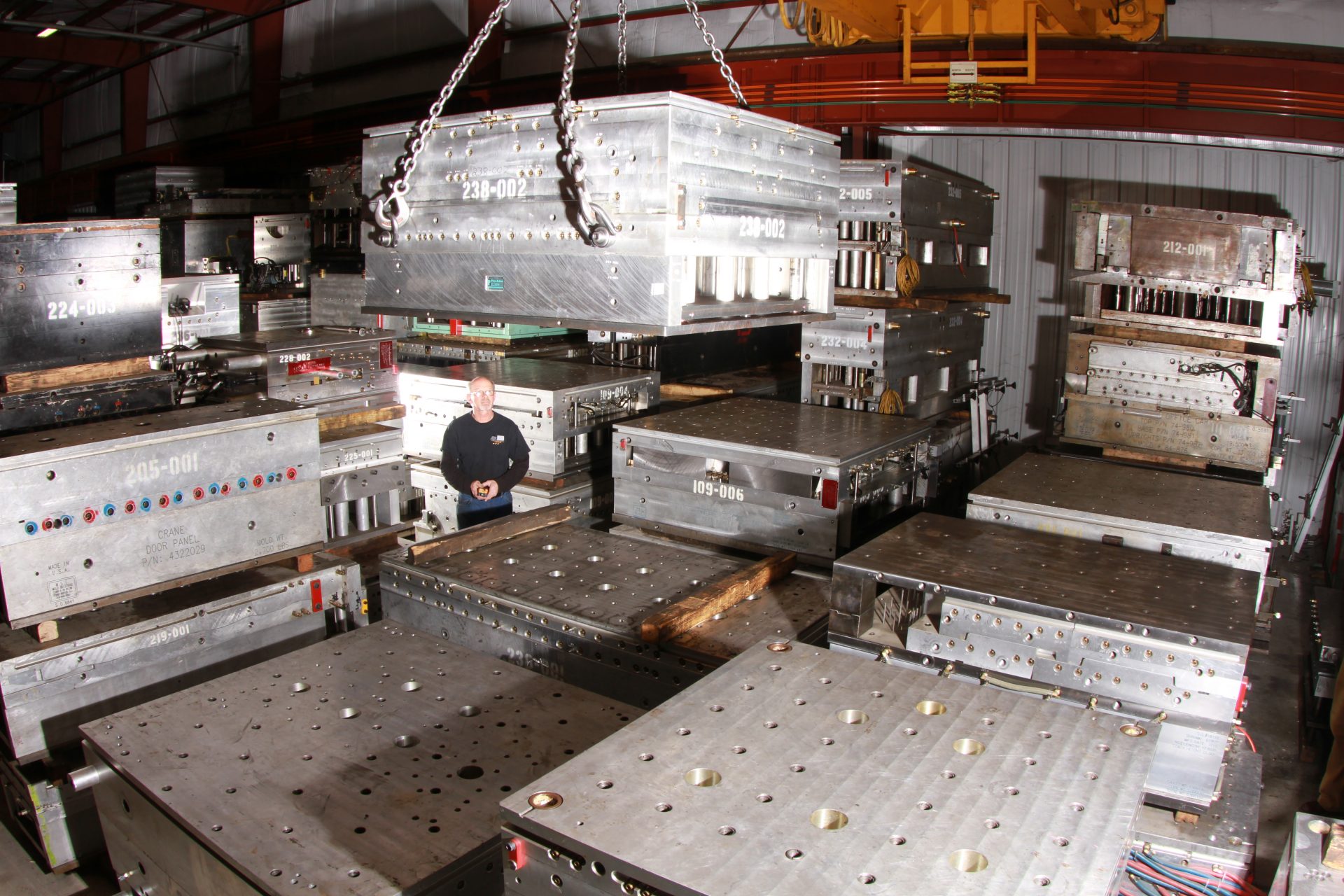
We work in close consultation with our clients through every step of our extensive process for creating custom parts and/or developing a new process for optimizing existing molds or parts. Because we offer customization to our clients, we engineer and design the tools we need to manufacture these parts and components ensuring a high quality completed product.
Our Engineering & Tooling Services

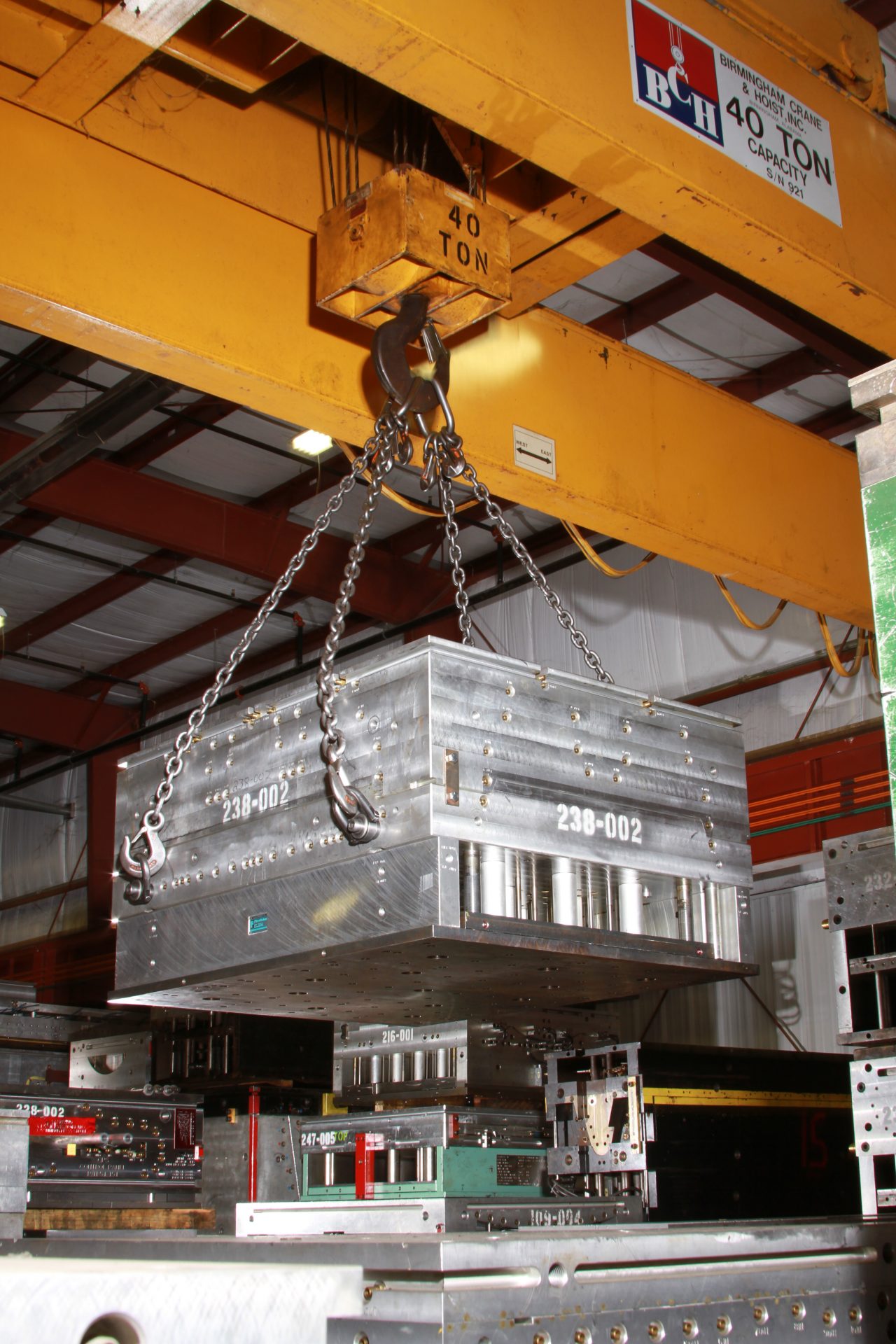
We have the ability to manufacture your product quickly and accurately even in high volumes. We take pride in the precision of our engineering and tooling, understanding that it makes a big impact on the finished product for our clients.

We take many steps to provide this accuracy and precision. Our engineering processes utilize the latest in software and offer strong performance. The capabilities of our expert production team are enhanced by in-house CAD and additional insight from our tool shops. You can rest assured that the in-house plastic processing personnel at 20/20 are highly qualified and experienced, rounding out this service with skill.

When you access tooling and engineering through 20/20, you can be assured of precision-made products, built to industry standards, with a quick turnaround without impacting performance or accuracy, and as always, our commitment is complete customer satisfaction. As with all that we do at 20/20, our engineering and tooling services will bring your product, and thus your company, to a new level of success.
More Services

Iso Certified 9001 : 2015

Structural Foam

Engineering

More Info
Mop Buckets

Quality Assurance

More Info
RACX PRo 2

Finishing Services

More Info

Frequently Asked Questions

Who builds the mold for my part?

20/20 works with some of the best toolmakers in the industry to build molds, and assists with both the part design and the mold design before the tool is cut. 20/20’s engineers bring the molding side of that work, so the toolmaker builds to a design that has already been reviewed for the process and press it will run on.

What does 20/20 look at in a design-for-manufacturability review?

Wall thickness, ribs, draft and gating come first, because each one affects how the part fills, whether it sinks or warps, and how cleanly it releases from the mold. 20/20 also confirms which molding process suits the geometry, since wall thickness and rib design work differently in structural foam than in high-pressure molding.

When should 20/20 review a new design?

Before the tool is ordered, and the earlier the better. Changing a CAD model is quick and inexpensive, while changing a finished mold costs far more and adds time to the program. 20/20 gives design-for-manufacturability feedback before tooling is committed, which settles process selection and part details while they are still easy to change.

Can 20/20 improve a part that is already in production?

20/20 works on existing parts as well as new ones, whether that means fixing issues with a current part, streamlining it to make it more cost-efficient, or moving it to a different molding process. Parts that are large, thick-walled, or prone to sink and warp in solid molding are worth evaluating for structural foam, which produces a part that is stiffer but lighter than standard injection molded product.